
Skoglar logo
History Glamping

History of Glamping

Glamping may feel like a modern trend, but its roots go back centuries. From royal expeditions to safari camps and eco retreats, the desire to experience nature in comfort has always been part of human history.

Luxury in Nature, Long Before Today

Although glamping feels modern, the idea of comfortable outdoor living dates back to the Middle Ages. Kings, nobles, and explorers traveled with entire mobile residences — richly decorated tents equipped with furniture, fabrics, kitchens, and servants.

One of the most famous early examples was the Field of the Cloth of Gold in 1520, a diplomatic summit attended by King Henry VIII. Thousands of luxurious tents were set up, transforming open fields into temporary royal cities. These tents were not survival shelters — they were symbols of power, comfort, and prestige.

This was glamping in its earliest form: nature without compromise.

History of Glamping

Short History of Glamping

Nomadic Comfort — The Yurt Story

Yurts, originating in Mongolia over a thousand years ago, are among the most influential ancestors of modern glamping. Designed for nomadic life, they were easy to assemble, transport, and adapt to harsh climates. Unlike today’s luxury yurts, historical versions were built for survival — warmth in winter, ventilation in summer, and complete self-sufficiency. Over time, travelers and designers reimagined yurts as comfortable retreats, blending ancient design with modern amenities. Today, yurts represent a perfect balance between tradition, sustainability, and comfort — a core philosophy of glamping.
Safari Tents & Exploration Era

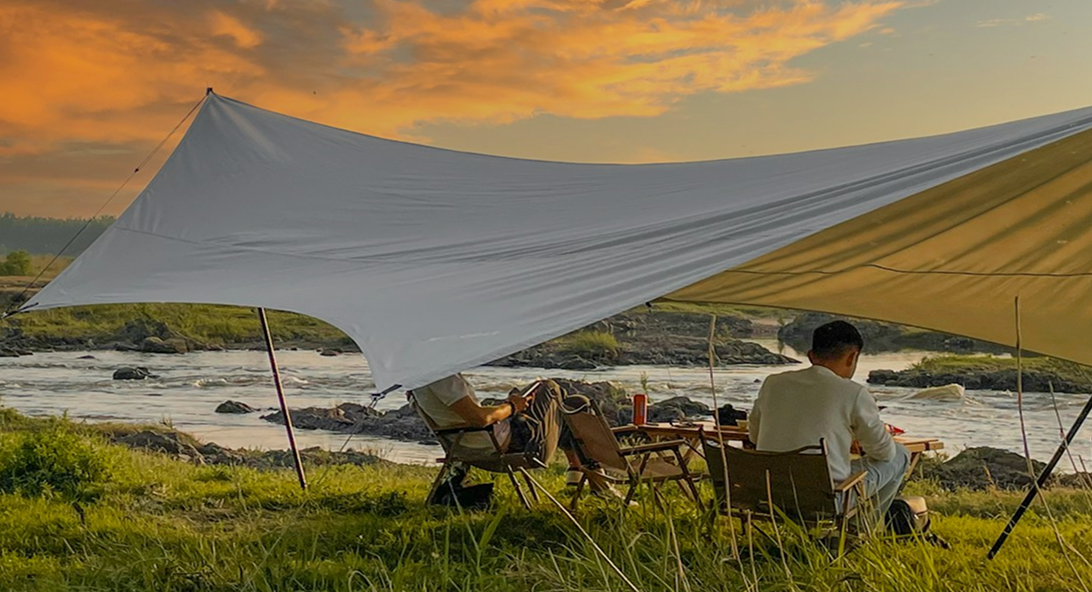
During the age of exploration, particularly in Africa, wealthy travelers and researchers sought adventure without giving up comfort. Safari camps were born — large canvas tents equipped with beds, bathrooms, and dining areas. These tents allowed people to experience wild landscapes safely and comfortably. Unlike traditional camping, safari glamping focused on immersion rather than endurance. Guests could explore nature by day and return to comfort by night. Modern safari glamping tents are direct descendants of these camps, combining adventure with refined design.

Sustainability Shapes Modern Glamping

As environmental awareness grew, glamping evolved beyond luxury. Modern glamping emphasizes minimal impact, sustainability, and harmony with nature. Unlike large hotels, glamping accommodations often use natural materials, renewable energy, local resources, and small footprints. Many sites operate off-grid, using solar power, rainwater systems, and eco-friendly waste solutions. This shift transformed glamping into more than comfort — it became a responsible way to travel.

The Glamping Boom

Glamping gained global popularity around 2017. What started as a playful term for “glamorous camping” quickly became a serious travel category. In 2018, the word glamping officially entered the Merriam-Webster Dictionary, marking its place in modern culture. Travelers around the world began seeking experiences that offered both escape and comfort — especially as digital overload and city life intensified. Glamping became a symbol of slow travel, mindfulness, and meaningful experiences.

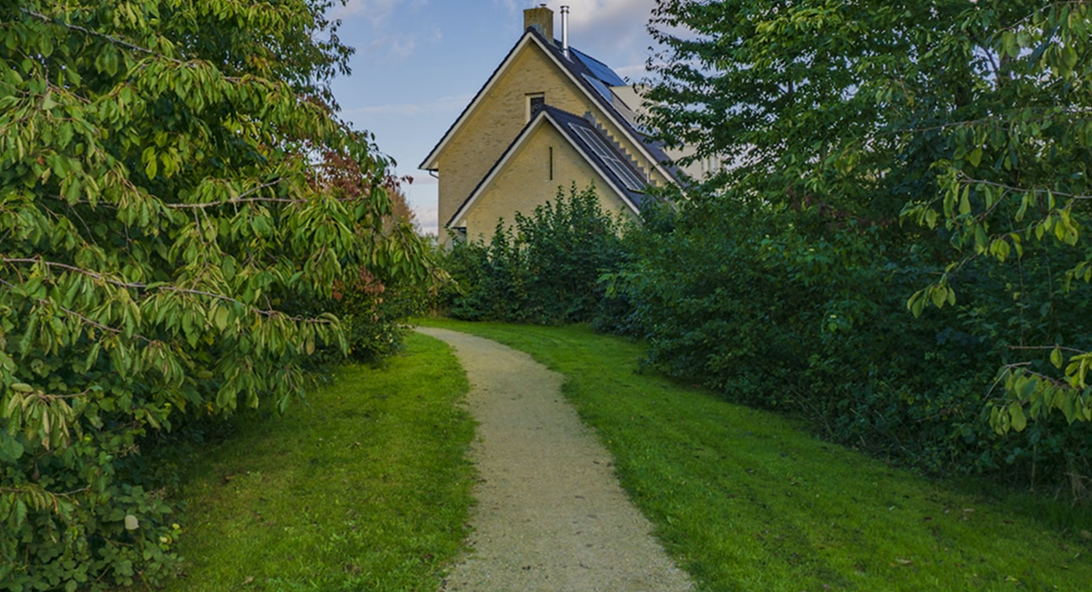
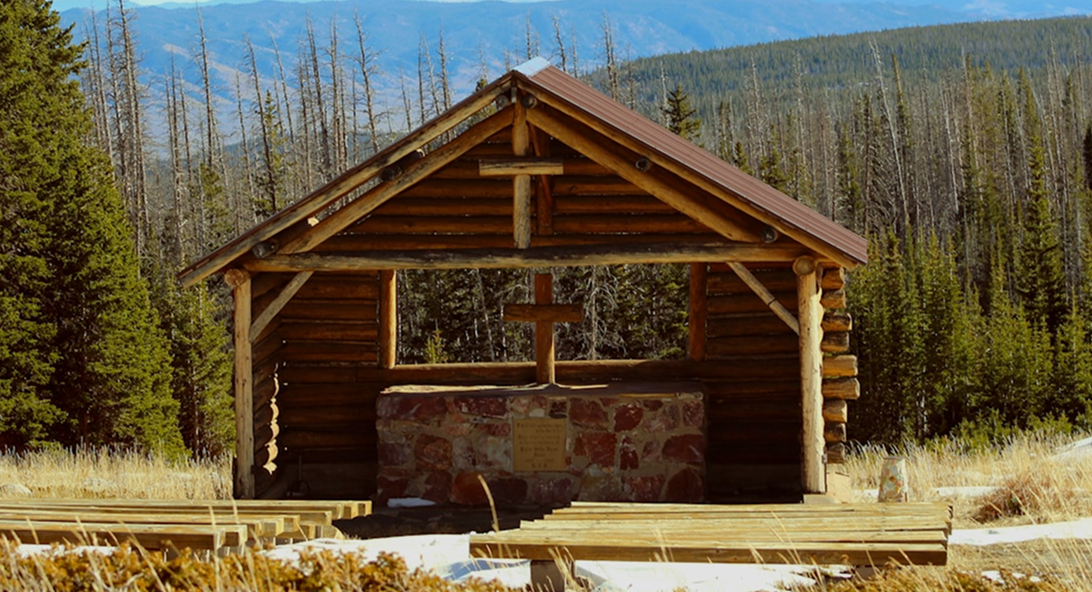
Cabin in nature
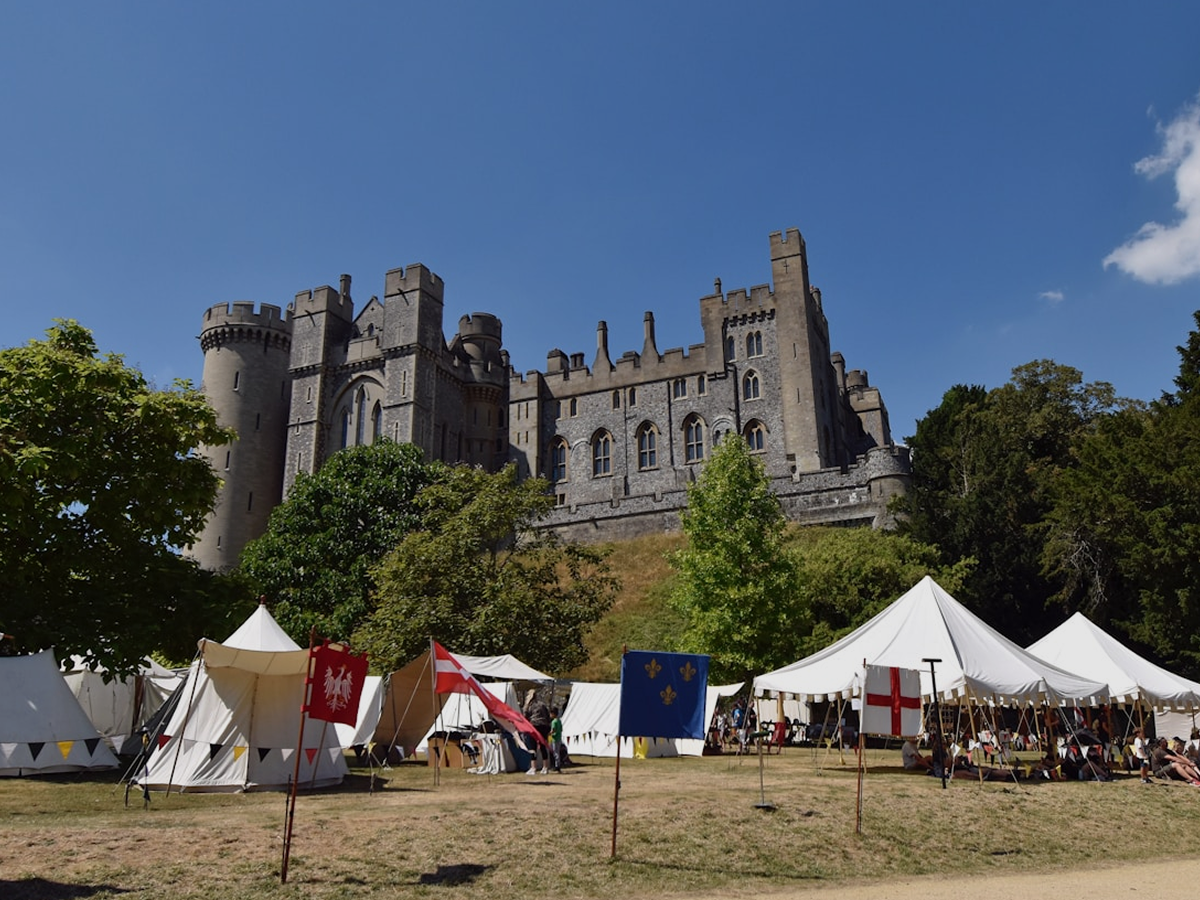
Safari camp setup
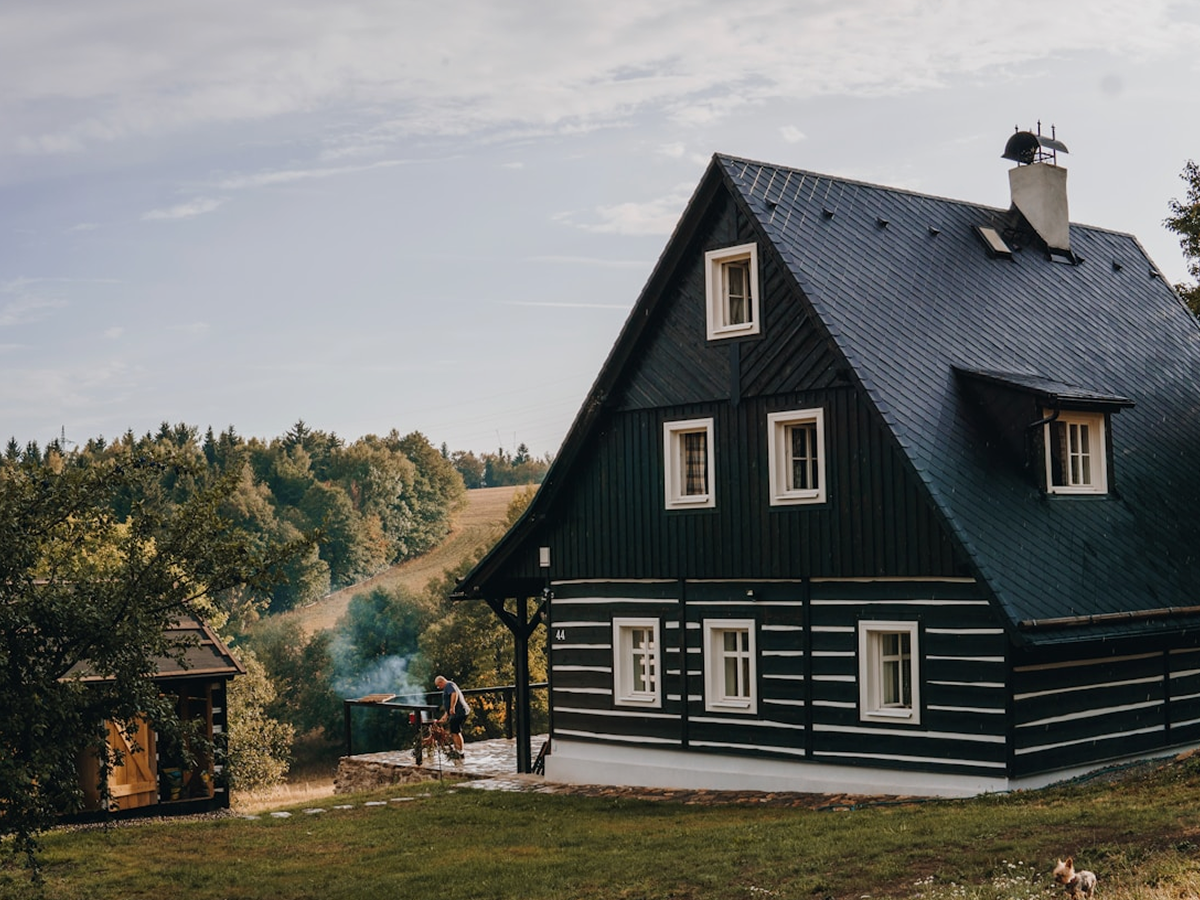
Sustainable glamping stay
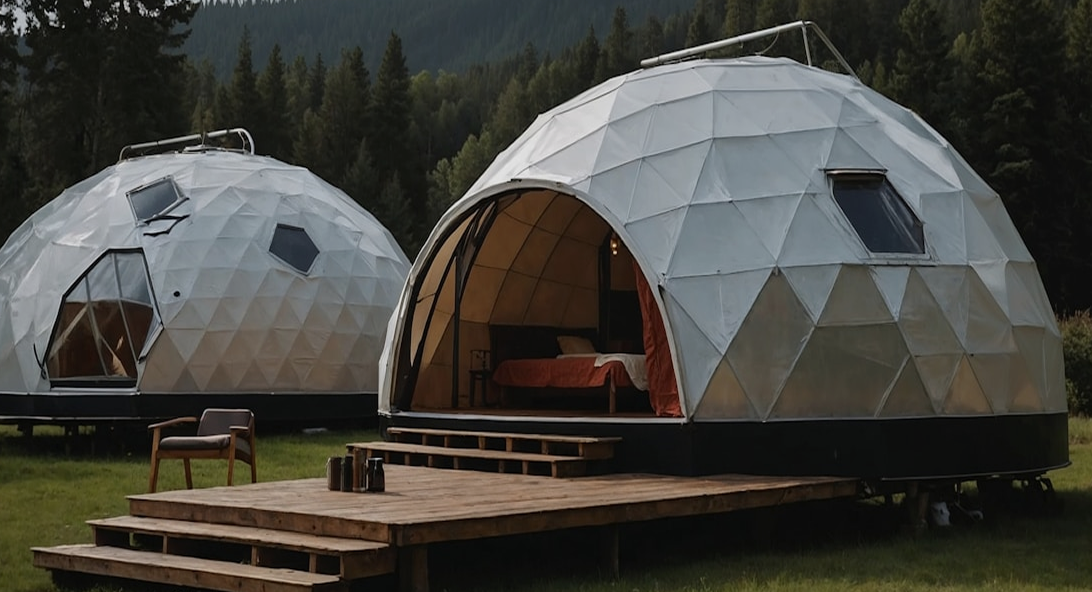
Modern glamping domes
Respect for Nature

Where Tradition Meets Modern Travel

Today, glamping continues to evolve — shaped by design, sustainability, and personal stories. At Skoglar, glamping represents more than accommodation. It’s about creating spaces where people can slow down, reconnect, and feel present.

From forests to vineyards, mountains to meadows, each glamping stay carries forward a long tradition — combining nature, comfort, and intention.

Find Your Place of Peace

Everyone has a different idea of perfect rest. We've carefully selected glamping stays where you can relax, slow down, and simply be — surrounded by nature.

Explore Stays